
The Social Enterprise Open Camp is a training and networking opportunity dedicated to social entrepreneurship and impact investing.
Speakers and social entrepreneurship experts from around the world will lead four days of residential training. An experience made unique by testimonies from social entrepreneurs, as well as reflections and stimuli from mentors, academics, investors and key players in the industry and finance that will enable participants to implement skills, activate alliances and broaden their scope in a melting pot of knowledge and experience.
Plenary sessions, keynote speeches, debates, roundtables, and networking moments will alternate with workshops within which social enterprises/cooperatives will be proposed to take on the role of case studies/learning platforms for participants who, guided by two workshop leaders, will be able to discuss and reflect on the central issues essential for the establishment and development of impact enterprises.
For the 2026 edition, the focus will build on the reflection started during the 2025 edition on Systemic Investing and Systemic Change, exploring how public, private, and philanthropic capital can be aligned across the entire capital continuum to move beyond isolated projects and achieve structural impact and systemic change.
We will examine organizations that are already experimenting with innovative approaches to deploying capital collaboratively, bringing together philanthropy, public institutions, impact finance, and the private sector. We will showcase examples where cross-sector collaboration is genuinely grounded in trust, shared tools, flexible financing, the ability to accommodate different risk appetites, and «catalytic capital» capable of unlocking new models.
The program will also explore steward-ownership as a governance model that separates decision-making power (voting rights) from economic benefits, with the aim of safeguarding organizational purpose and long-term impact. The discussions will further address power dynamics in designing not only new investment models but also new market models.
Finally, we will reflect on the cultural and creative economy as a transformative lens for generating lasting improvements and contributing to the resolution of social challenges at the local, national, and global levels.
🗓️When? November 21-24, 2026
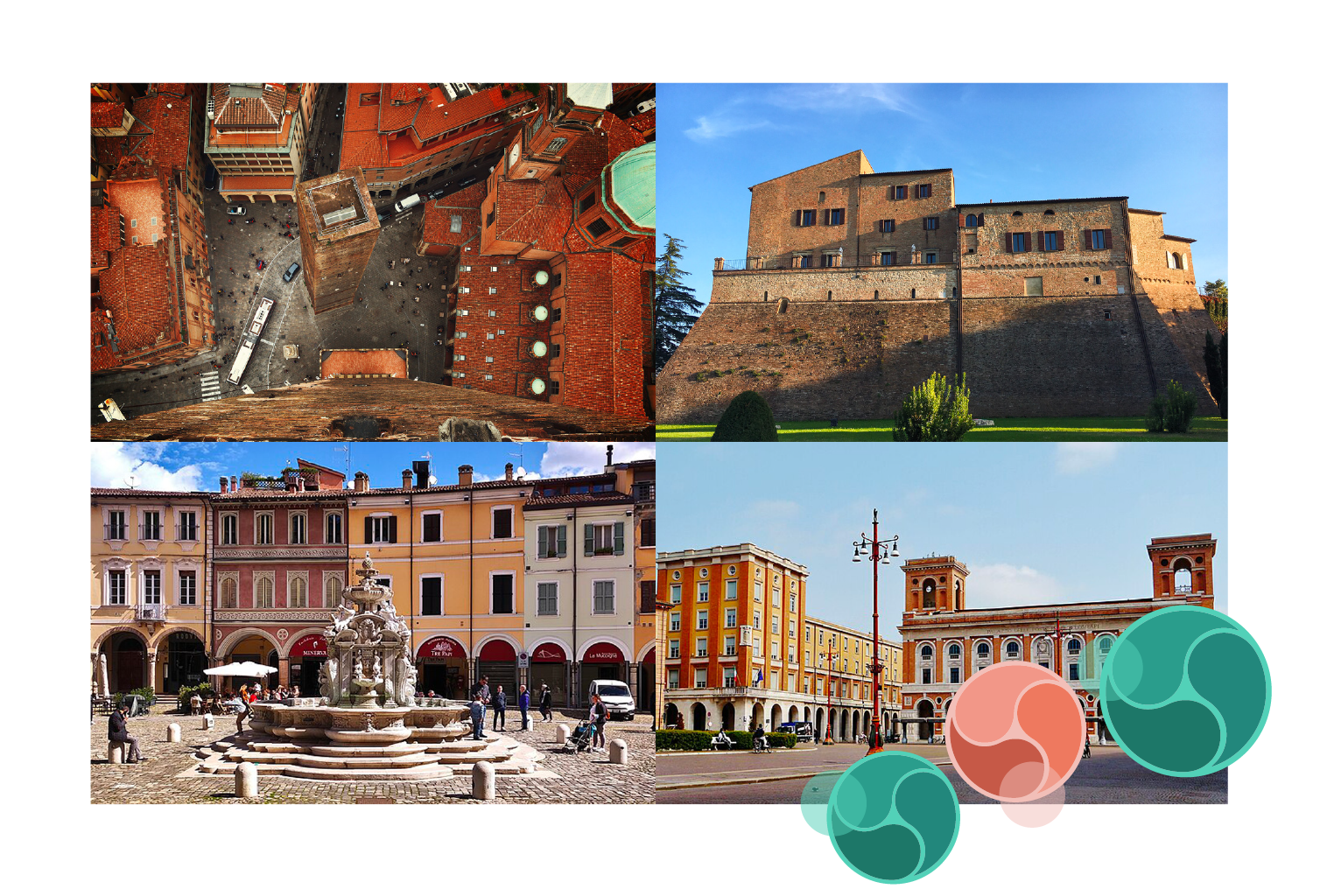
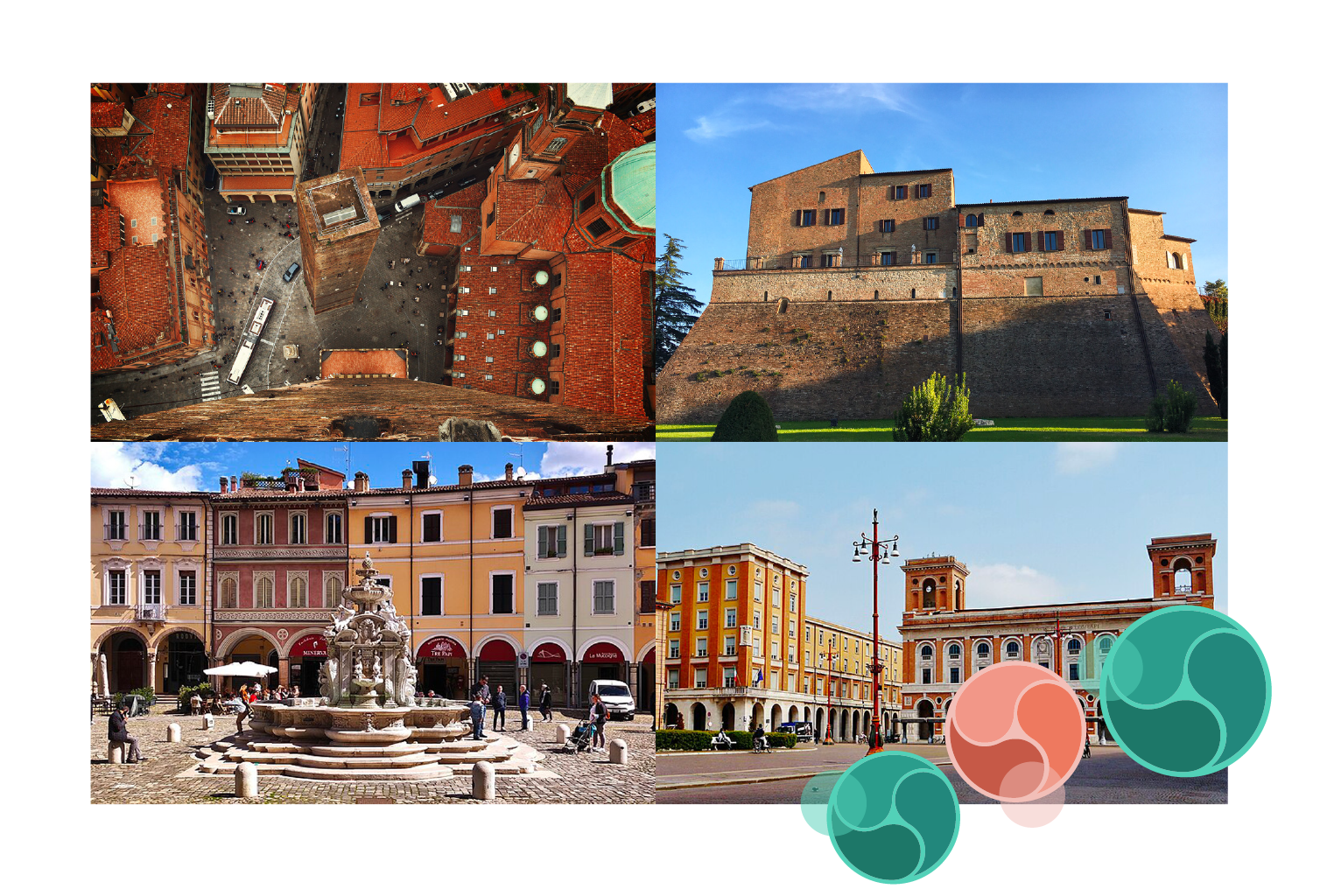
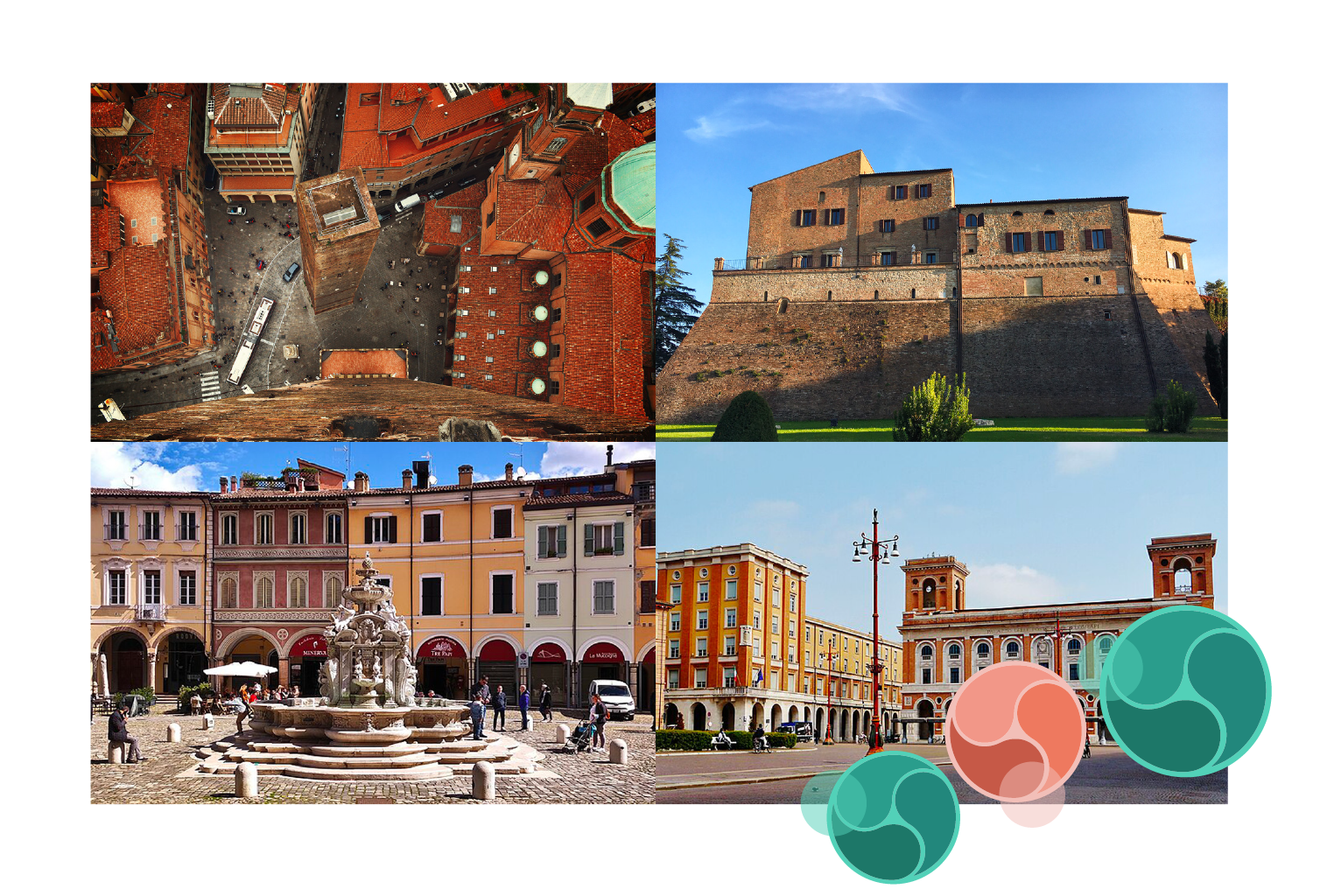
📍Where? SEOC will open in Bologna, a major economic hub and center of academic excellence, as well as one of the first Italian cities to adopt a Social Economy Plan aligned with EU recommendations. We will also stop in Bertinoro, Cesena and Forlì, in a region widely recognized as the historic birthplace of Italy’s cooperative movement.
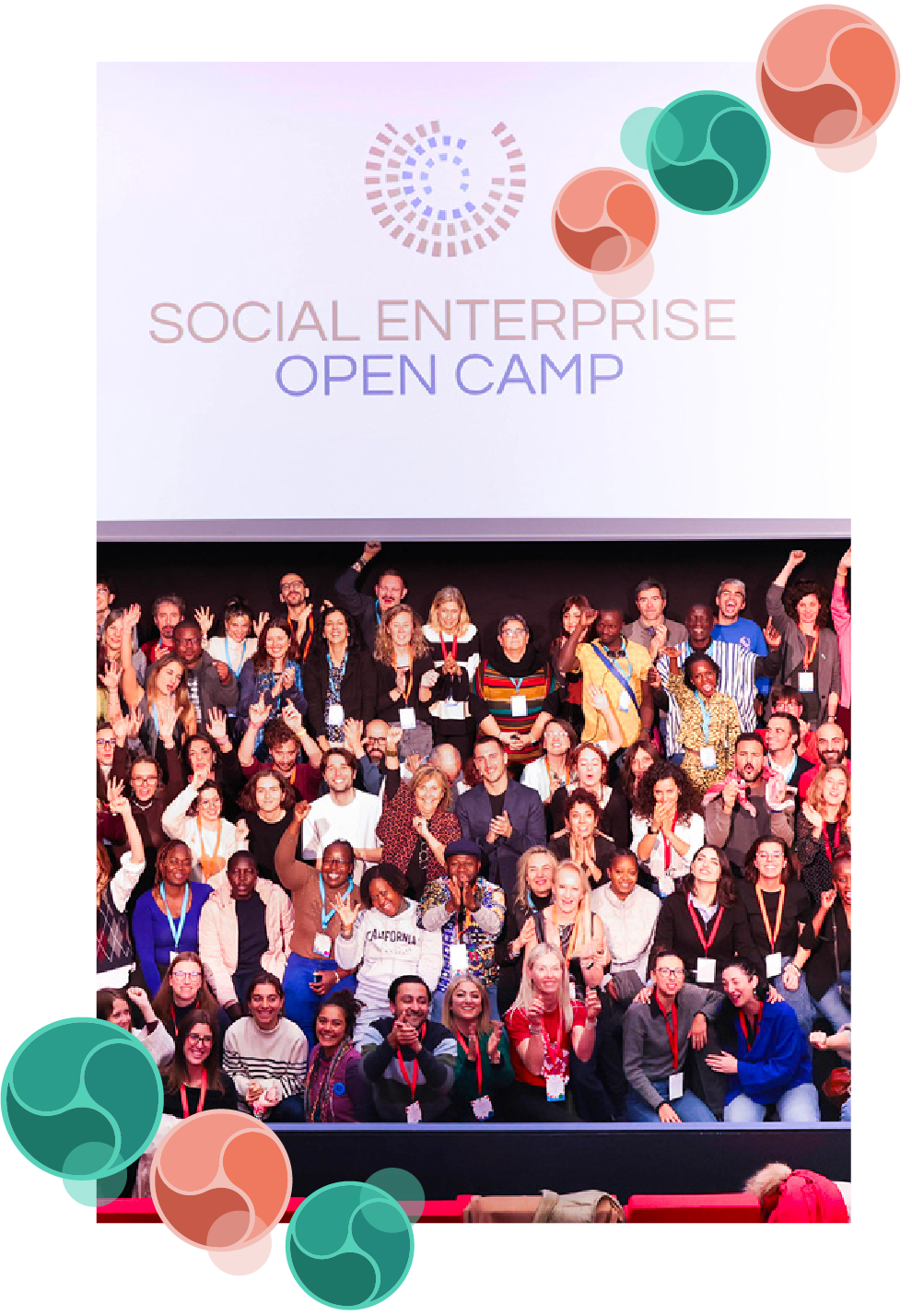
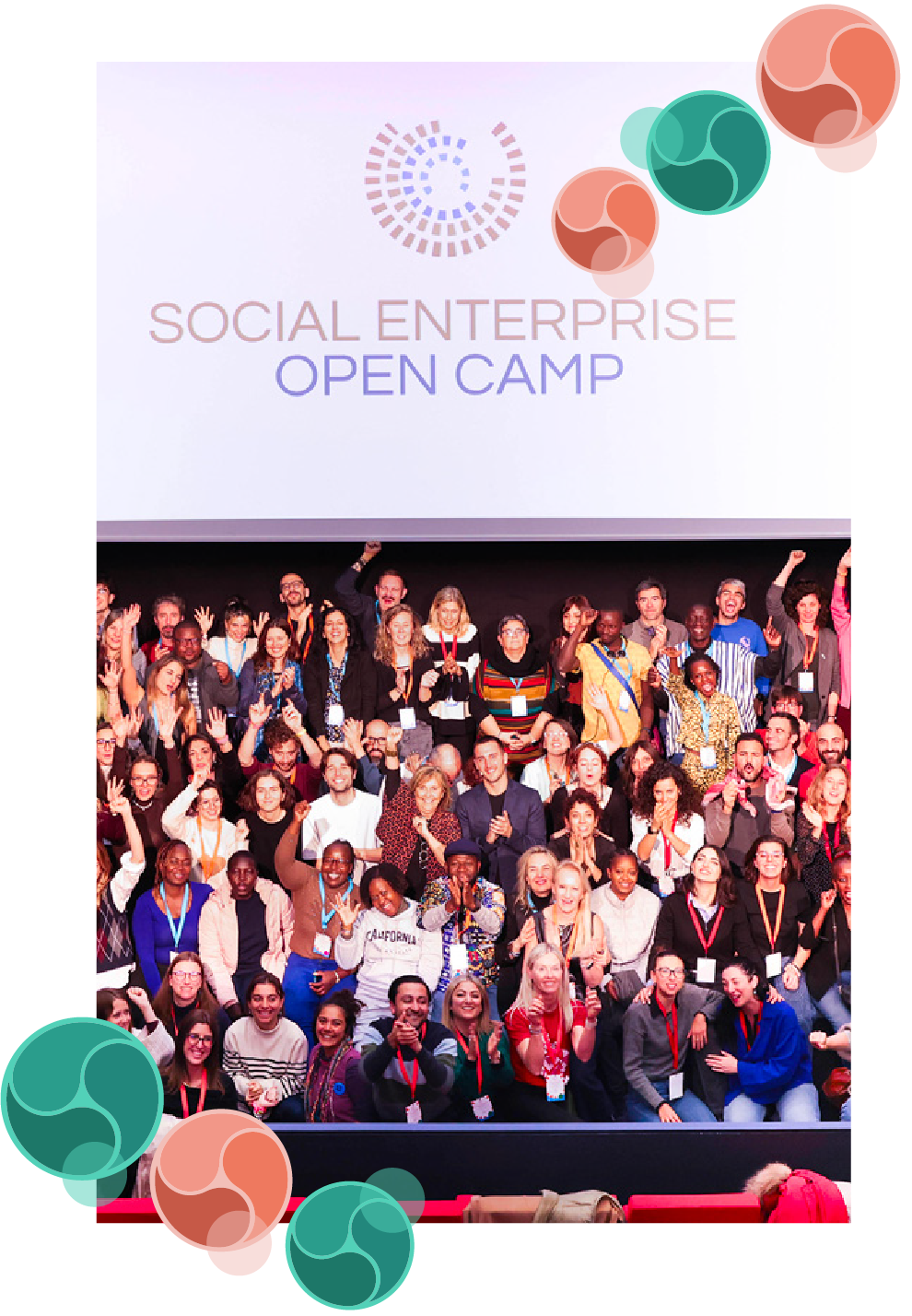
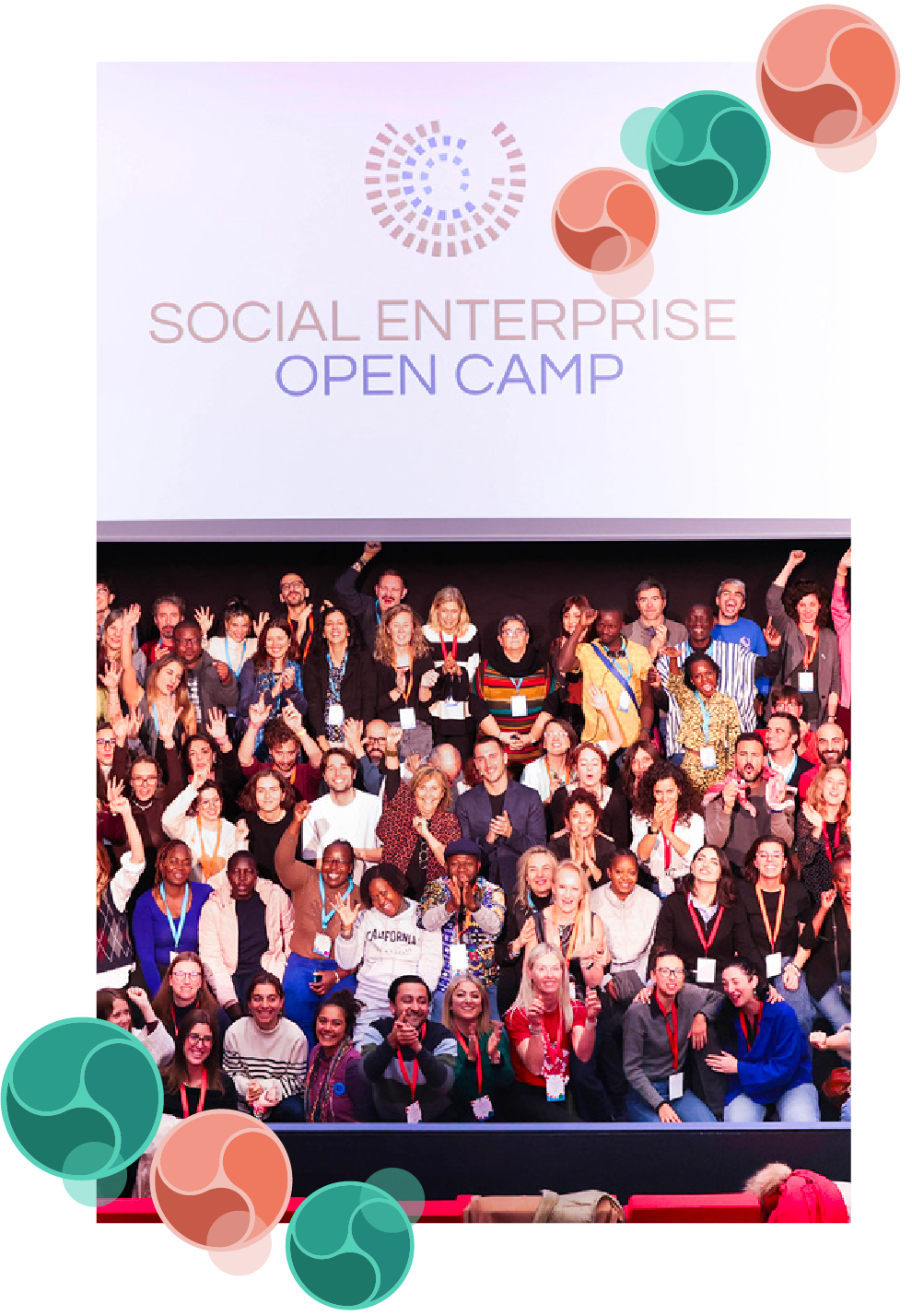
Up to 50 additional scholarships to attend the SEOC 2026, the immersive training initiative dedicated to the world of social entrepreneurship, unique in Italy.
You are the right candidate and can get one of the scholarships made available if you belong to one of the following categories:
- social cooperators, entrepreneurs, and innovators from Piedmont and the Aosta Valley regions1
- Current financial 2026/2027 full members of the Amplify Alliance Australia network2
Students and recent graduates (within the past 2 years) of master’s or single-cycle degree programs, PhD candidates, recent PhD holders (within the past 2 years), and junior research staff* at Alma Mater Studiorum – University of Bologna 3
1 Scholarships offered by Fondazione CRT and Fondazione CRC
2 Scholarships offered by Amplify Alliance Australia
3 Scholarships offered through the knowledge partnership with Alma Mater Studiorum – University of Bologna
NB: a maximum of two operators will be selected for the same organization.
- Application from July 27, 2026 at 12.00 p.m. to September 6, 2026 at 11.59 p.m.
- Selection of the scholarship winners and notification: by September 11, 2026 by individual e-mail to each recipient.
- Finalization of registration: those selected will receive a code to complete their registration and participation in the Social Enterprise Open Camp 2026.
- The winners should finalize their participation no later than September 16 at 12.00 p.m., 2026 by filling out the form on the website www.socialopencamp.org ((in order to complete the process, follow the instructions on the site, pay a donation of € 50 to support the organizers of the initiative and send a copy of the bank transfer and your personal data to the e-mail address [email protected]).
To take part in the challenge and be selected you must:
- apply to the call for applications accessing: https://seoc2026.apply-idea360.com/en
- submit your CV
- In the case of NGO operators, social enterprises/cooperatives, associations or start-ups, attach a presentation of your organization (optional).
Attach at the candidate’s choice one of three contributions:
- an essay (max. 2000 characters including spaces)
- a short video (max. 5 minutes)
- a presentation (max. 10 slides)
in which you report personal reflections, ideas, proposals, and strategies inspired by business models and initiatives capable of operating with a systemic mindset, moving beyond linear approaches to address the complexity of today’s challenges.
It is important that contributions is not 'generic'. Submissions should include best practices, share professional experiences, and offer thoughtful insights, concrete examples, and recommendations on key themes related to System Change.
To support its development, here are a few prompts and guiding questions:
From Egosystem to Ecosystem/Systemic Investing e Systemic Change
- Inspired by the theme of this year's SEOC, can you share concrete examples where the shift from "Me" to "We", from an individual to an ecosystem mindset, has transformed structures and dynamics to address global challenges, from environmental sustainability to social innovation?
- Can you identify a concrete example in which different forms of capital (impact investors, banks, public funding, philanthropy, etc.) have been aligned to generate structural impact within a specific field? What were the key factors that made this alignment possible?
- Based on your experience or within your context, what are the main barriers preventing cross-sector collaboration among philanthropy, public institutions, impact finance, and the private sector? How could these barriers be overcome?
- Catalytic capital can unlock innovative solutions by taking on risks that other actors are unable or unwilling to bear. Can you share examples of how this type of capital has been used to enable systemic partnerships or to initiate changes that address the root causes of complex challenges?
- Beyond financial capital, what other forms of capital are needed to drive transformational, system-level change? We are thinking of human, social, cultural, relational, and other forms of capital. In your experience or reflection, which of these are most critical to initiating or sustaining systemic change? How can they be mobilized and integrated? Can you share a concrete example?
Governance Models and Steward-Ownership
- How can separating decision-making power (voting rights) from economic benefits help protect an organization's long-term mission? Are you aware of organizations that have adopted steward-ownership or other alternative governance models?
- What opportunities and challenges do you see in adopting governance models that prioritize the protection of social and environmental purpose? How can these models contribute to transforming the systems in which organizations operate?
- What power dynamics emerge when designing new governance, investment, and business models? How can decision-making power be redistributed more equitably to ensure that the voices of all relevant stakeholders are meaningfully included?
- How can governance models promote greater gender equity in leadership, decision-making, and access to resources? Can you share examples of organizations that have successfully embedded a gender perspective into their governance structures?
The Cultural and Creative Economy as a Transformative Lens
- How can culture, creativity, and imagination act as catalysts for systemic change? Can you share examples of businesses or initiatives that leverage cultural and creative activities to address complex social challenges at the local, national, or global level?
- onsidering the transformative potential of the cultural and creative economy, how can new narratives, languages, and artistic approaches help reshape behaviours, mindsets, and power dynamics in ways that foster systemic solutions?
The challenge will be open from July 27, 2026 at 12.00 p.m. to September 6, 2026, at 11.59 p.m.
The materials submitted by applicants will be evaluated by Fondazione Opes-Lcef who, in its sole discretion, will select:
up to 50 additional SEOC 2026 challenge scholars.
In the event that not all scholarships are awarded or new partners make new scholarships available, the organizers reserve the right to open a new phase of the challenge.
- Registration fee and participation in all activities of Social Enterprise Open Camp MeWe - From Egosystem to Ecosystem
- Board and room at affiliated facilities with accommodation in a double or triple room (with the possibility of choosing your own roommate)
- On-site transportation: hotel/SEOC shuttle
- Check-in on the evening of November 21, 2026, and check-out on the morning of November 24, 2026
- Outward journey from your residence to Bologna
- Return trip from Bologna to your residence
- Anything not specifically mentioned in the paragraph “the scholarship includes”
By applying for the SEOC Challenge and getting a scholarship, the participant commits to take part in all scheduled plenary sessions and workshops.
The scholarships are offered by